What are the Different Types of Art? Explore Creative Realms
what are the different types of art

What are the Different Types of Art? Explore Creative Realms

Dive into the vast and varied world of human expression, understanding the categories that define our creative landscape.

Begin Your Artistic Journey

Key Takeaways

  • ✓ Art encompasses visual, performing, literary, and digital categories, each with unique sub-genres.
  • ✓ The definition of art is fluid, evolving with culture, technology, and societal perspectives.
  • ✓ Understanding art types enhances appreciation, critical thinking, and cultural literacy.
  • ✓ Engagement with art, whether as creator or observer, fosters empathy and personal growth.

How It Works

1
Define Your Interest

Consider whether you're drawn to tangible creations, live experiences, storytelling, or technology-driven expressions. This initial reflection helps narrow the vast field.

2
Explore Core Categories

Familiarize yourself with the main divisions: Visual, Performing, Literary, and Digital Arts. Each offers a distinct approach to communication and aesthetics.

3
Dive into Sub-Genres

Within each core category, discover specific forms like painting, sculpture, dance, music, poetry, film, and interactive installations. This reveals the incredible diversity.

4
Engage and Experience

Attend exhibitions, concerts, plays, read books, or experiment with digital tools. Direct engagement is key to truly understanding and appreciating the nuances of each art type.

The Foundation: Understanding Visual Arts
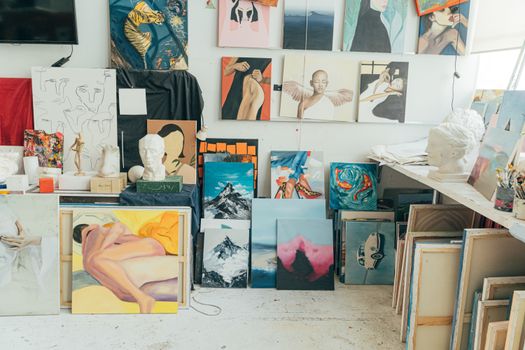
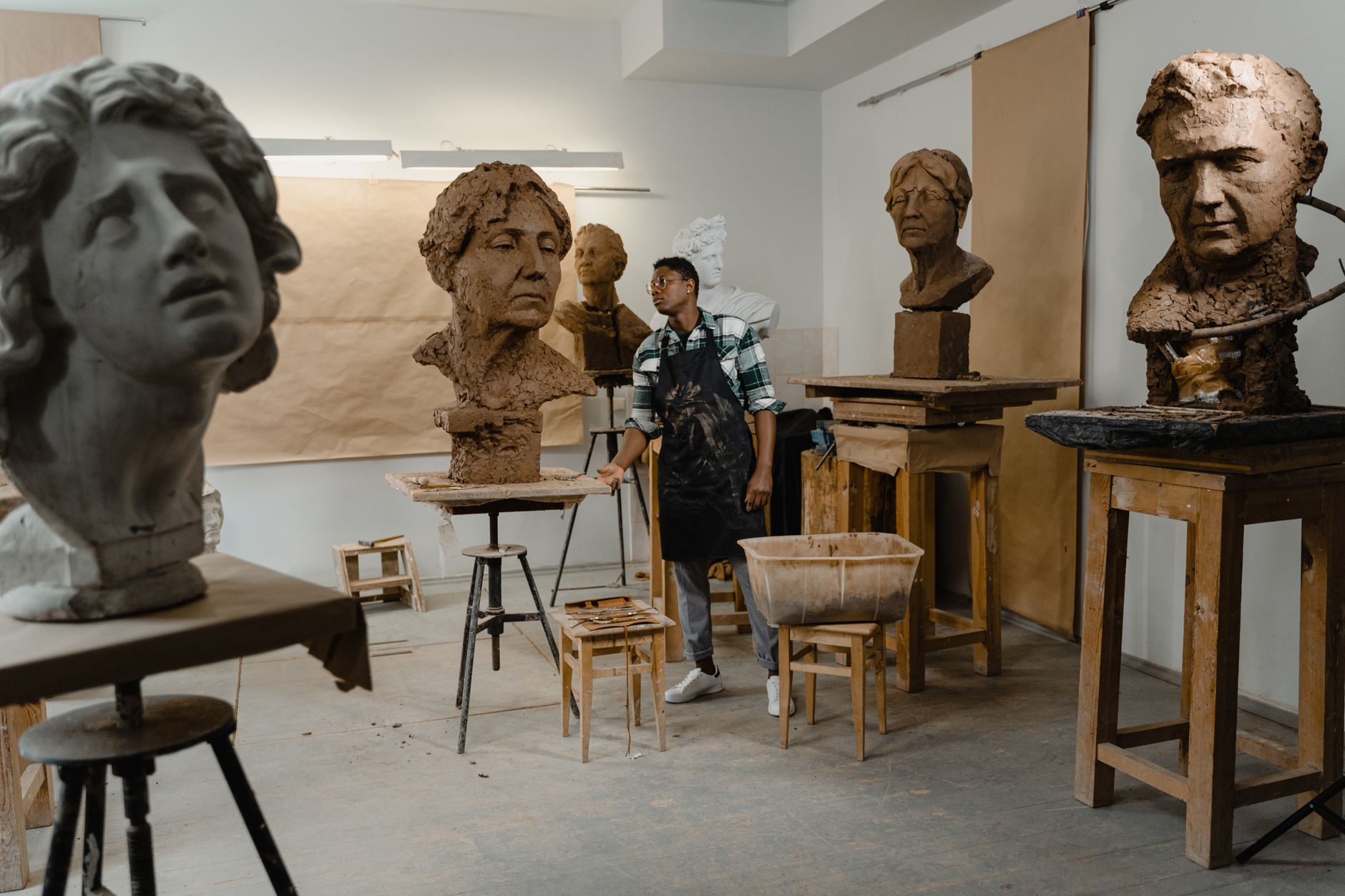
A vibrant art studio featuring diverse paintings, sculptures, and artistic materials in an indoor setting. Photo: AI25.Studio Studio / Pexels
When people ask, "what are the different types of art?" their minds often first turn to visual arts. This category is perhaps the most immediately recognizable, encompassing anything created primarily for aesthetic appreciation through sight. It's a vast realm where artists translate ideas, emotions, and observations into tangible forms that can be seen, touched, and sometimes even felt. The history of visual art is as old as humanity itself, from prehistoric cave paintings to contemporary digital installations, reflecting an unbroken lineage of human expression. At its core, visual art aims to communicate without words, relying instead on composition, color, form, texture, and light. Painting, for instance, is a cornerstone of visual art, with countless styles and movements like Impressionism, Cubism, Surrealism, and Abstract Expressionism. Each movement represents a distinct philosophical approach and aesthetic language, offering viewers unique perspectives on reality, emotion, and the human condition. From the meticulous detail of Renaissance masters to the bold strokes of modernists, painting continues to evolve, embracing new materials and techniques while retaining its fundamental power to captivate. Sculpture is another monumental form within visual arts, transforming raw materials like stone, metal, wood, or clay into three-dimensional objects. Sculptors engage with space, volume, and mass, creating works that can be monumental or intimate, abstract or representational. Think of the classical Greek statues embodying ideal human forms, the dynamic energy of Baroque sculptures, or the conceptual installations of contemporary artists. The tactile nature of sculpture invites a different kind of engagement, encouraging viewers to move around the piece, experiencing it from multiple angles and appreciating its physical presence. Beyond painting and sculpture, the visual arts extend to drawing, printmaking, photography, and architecture. Drawing, often considered the most immediate and fundamental visual art, uses lines and marks to create images, serving as both a finished work and a preparatory step for other art forms. Printmaking involves transferring images from a matrix onto another surface, allowing for multiples and exploring techniques like etching, lithography, and screen printing. Photography, a relatively newer art form, captures moments in time, offering a powerful medium for documentary, artistic expression, and social commentary. Architecture, while functional, is also profoundly artistic, shaping our built environment and reflecting cultural values and technological advancements. Each of these forms contributes to the rich tapestry of visual expression, demonstrating the incredible diversity inherent in answering the question, "what are the different types of art?" Understanding these foundational elements is crucial for anyone looking to delve deeper into the world of creative expression and appreciate the nuances that distinguish one artistic endeavor from another. The visual arts provide a direct and often immediate connection to an artist's vision, making them a powerful entry point into the broader discussion of the role of art in society. This category alone showcases an astounding breadth of human ingenuity and aesthetic pursuit, constantly pushing boundaries and redefining what is possible through sight.

The Dynamic World of Performing Arts

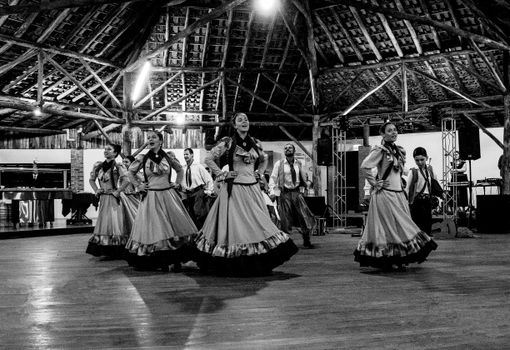
Black and white image of a cultural dance performance in a rustic indoor setting. Photo: Fabio Geovane / Pexels
Moving beyond static forms, the performing arts bring creativity to life through time, space, and direct human interaction. When exploring "what are the different types of art," this category stands out for its ephemeral nature and the unique connection it fosters between performers and their audience. Unlike a painting that can be viewed repeatedly, a live performance is a singular event, a fleeting moment of shared experience that makes it incredibly potent and memorable. The essence of performing arts lies in the act of performance itself, where artists use their bodies, voices, and instruments to convey narratives, emotions, and ideas. Music is arguably the most universal of the performing arts, transcending cultural and linguistic barriers. It involves the organization of sound to create melody, harmony, rhythm, and timbre, evoking a vast spectrum of human emotions. From classical symphonies and operatic arias to jazz improvisations, folk ballads, and contemporary pop, music takes countless forms. The experience of live music, whether in a grand concert hall or an intimate club, is a powerful communal event, uniting listeners through shared auditory pleasure and emotional resonance. The composition, performance, and reception of music are complex artistic processes, each contributing to its profound impact. Dance is another captivating performing art, using the body as its primary instrument of expression. Dancers communicate stories, feelings, and abstract concepts through movement, gesture, and spatial relationships. From the rigorous discipline of ballet and the expressive freedom of modern dance to the energetic storytelling of folk dances and the intricate rhythms of hip-hop, dance forms are incredibly diverse. A dance performance is a visual spectacle, a physical narrative that speaks directly to the soul, often accompanied by music to enhance its emotional depth and rhythmic structure. Theater, encompassing drama, comedy, and musical productions, combines elements of storytelling, acting, and stagecraft to create immersive experiences. Actors embody characters, bringing narratives to life through dialogue, movement, and emotional portrayal. The theatrical experience is multifaceted, involving not just the performers but also playwrights, directors, set designers, costume designers, and lighting technicians, all collaborating to transport the audience to another world. From ancient Greek tragedies to Shakespearean comedies, Broadway musicals, and experimental contemporary plays, theater continues to be a vital platform for exploring the human condition, challenging societal norms, and fostering empathy. Other performing arts include spoken word poetry, stand-up comedy, and various forms of live spectacle like circus arts. Each of these relies on the immediate presence of the performer and the direct engagement with an audience, creating an energy and connection that is unique to live art. The performing arts remind us that art is not always a static object but can be a dynamic, living, and breathing event, constantly evolving with each new performance and interpretation. They are a testament to the human desire to connect, entertain, and provoke thought through direct, embodied expression.

The Narrative Power of Literary and Digital Arts

Close-up of a vintage typewriter with the word 'Poetry' spelled out on Scrabble tiles. Photo: Suzy Hazelwood / Pexels
Expanding our exploration of "what are the different types of art," we delve into the realms of literary and digital arts, two categories that, while distinct, both demonstrate immense power in shaping understanding and experience. Literary arts harness the power of language, transforming words into intricate tapestries of meaning, emotion, and narrative. Digital arts, on the other hand, leverage technology to create entirely new forms of expression, pushing the boundaries of what art can be. Literary art, at its heart, is about storytelling and the masterful use of written language. Poetry, for example, condenses emotion and imagery into precise, rhythmic language, often exploring profound themes with brevity and intensity. From epic poems of ancient civilizations to lyrical sonnets and free verse, poetry offers a unique way to perceive the world and the human spirit. Prose, encompassing novels, short stories, and essays, builds expansive worlds, develops complex characters, and explores intricate plots. A compelling novel can transport readers to different times and places, allowing them to experience diverse perspectives and engage with profound philosophical questions. Playwriting, while intended for performance, is fundamentally a literary art, crafting dialogue and stage directions that form the blueprint for theatrical productions. The enduring power of literary art lies in its ability to stimulate the imagination, foster empathy, and preserve cultural narratives across generations. It’s a quiet but profound form of art that shapes our understanding of ourselves and the world around us. For more on the impact of such forms, consider exploring the cultural significance of storytelling. Digital art represents a relatively new but rapidly expanding frontier in the artistic landscape. Born from the advent of computers and digital technology, this category encompasses a vast array of practices, from digital painting and sculpture to interactive installations, video art, web art, and virtual reality experiences. Digital artists use software and hardware as their tools, creating works that can be purely visual, auditory, or interactive. Digital painting, for instance, mimics traditional painting techniques but offers unparalleled flexibility and new creative possibilities. Video art uses moving images and sound to create immersive or thought-provoking experiences, often challenging traditional cinematic narratives. Interactive art, a significant sub-genre of digital art, invites the audience to become participants, influencing the artwork's outcome through their actions. This blurs the lines between creator and observer, offering unique, personalized experiences. Virtual reality (VR) and augmented reality (AR) art push these boundaries further, creating fully immersive or overlaid digital worlds that redefine our perception of space and reality. The accessibility and reproducibility of digital art also present new challenges and opportunities for artists and audiences alike. As technology continues to advance, the digital arts will undoubtedly continue to evolve, offering innovative answers to the question of what art can be and how we can experience it, constantly redefining the artistic canvas and the tools of creation.

Navigating the Nuances: Tips for Art Appreciation and Engagement
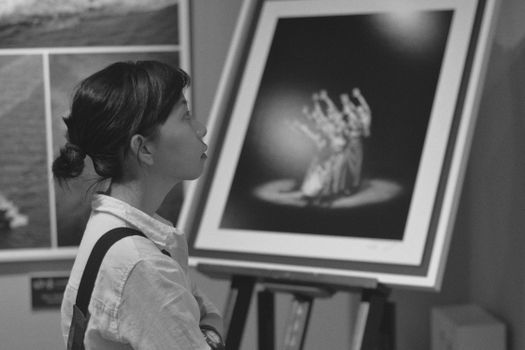
A woman gazing at a black and white painting in an art gallery setting. Capturing art appreciation. Photo: Như Vân ( Wind’s Buddha ) / Pexels
Understanding "what are the different types of art" is just the first step; truly appreciating and engaging with art requires an open mind and a willingness to explore. Here are some tips to enhance your artistic journey: * **Be Open to New Experiences:** Don't limit yourself to what you already know or like. Attend a contemporary dance performance, visit a gallery featuring abstract art, or read a genre of poetry you've never encountered. You might discover a new passion. * **Research and Contextualize:** Learning about the artist, the historical period, and the cultural context surrounding a piece of art can significantly deepen your understanding and appreciation. What societal events influenced its creation? What techniques were revolutionary at the time? * **Engage Your Senses (Beyond Sight):** While visual art is primarily seen, consider the textures, the implied sounds, or even the historical smells associated with a piece. For performing arts, truly listen to the music, feel the rhythm of the dance, or immerse yourself in the theatrical narrative. * **Form Your Own Opinions:** While expert opinions can be valuable, trust your own reactions. Art is subjective, and your personal connection to a piece is valid. Don't be afraid to like what others don't, or to question what is universally praised. * **Discuss and Share:** Talk about art with friends, family, or fellow enthusiasts. Hearing different perspectives can illuminate aspects you hadn't considered and enrich your own understanding. * **Visit Local Institutions:** Support your local museums, galleries, theaters, and music venues. These institutions are vital hubs for artistic expression and offer accessible ways to engage with diverse art forms. * **Try Creating Art Yourself:** Even if you don't consider yourself an artist, experimenting with drawing, writing, playing an instrument, or taking a dance class can provide invaluable insight into the creative process and the challenges artists face. This hands-on experience can foster a deeper empathy and appreciation for the craft involved in any art form. * **Embrace Discomfort:** Sometimes art is meant to challenge, provoke, or even disturb. Don't shy away from pieces that make you feel uncomfortable; often, these are the ones that spark the most profound reflection and growth. Art is not always about beauty; it's about communication and impact. By actively engaging with art in these ways, you move beyond simply categorizing art forms and begin to experience their transformative power. The journey of art appreciation is continuous, offering endless opportunities for discovery and personal enrichment.

Comparison

Art TypePrimary MediumKey CharacteristicAudience Engagement
Visual ArtsPaint, Clay, Digital CanvasTangible, Static FormObservation, Interpretation
Performing ArtsBody, Voice, InstrumentsEphemeral, Time-BasedLive Experience, Emotional Response
Literary ArtsWritten LanguageNarrative, ConceptualReading, Imagination
Digital ArtsSoftware, HardwareInteractive, EvolvingParticipation, Sensory Immersion

What Readers Say

"This article brilliantly breaks down what are the different types of art. I always thought of art as just painting, but now I have a much broader understanding and appreciation for music and digital forms."

Sarah J. · Austin, TX

"As an aspiring artist, understanding the distinctions between visual, performing, and literary arts has been incredibly helpful. It's inspiring to see the connections and unique qualities of each."

Mark D. · Brooklyn, NY

"I used this guide to plan a cultural outing with my family. We explored a sculpture garden, attended a jazz concert, and picked up a new poetry book – all thanks to learning about what are the different types of art!"

Elena R. · Los Angeles, CA

"A very comprehensive overview! While it covered most major types, I would have loved a bit more on folk art or crafts as distinct categories, but overall, it's an excellent resource for art novices."

David L. · Chicago, IL

"This article made me realize how much digital art has evolved. I used to dismiss it, but now I'm actively seeking out interactive installations and VR experiences. Truly opened my eyes to what are the different types of art."

Chloe P. · Seattle, WA

Frequently Asked Questions

What is the most searched question about what are the different types of art?

The most common question revolves around categorizing art, specifically distinguishing between visual, performing, literary, and digital forms. People often seek to understand the fundamental characteristics and examples that define each major artistic discipline and its numerous sub-genres.

Is craft considered a type of art?

Yes, many contemporary art theorists and institutions recognize craft as a legitimate and significant form of art. While historically distinguished by utility, modern craft often prioritizes aesthetic expression and conceptual depth, blurring the lines between functional object and fine art. Examples include ceramics, textiles, and jewelry.

How can I start appreciating different types of art?

Start by visiting local museums, galleries, theaters, or concert halls. Read introductory books or articles on art history, and don't be afraid to try creating art yourself, even in a simple way. The key is to approach art with an open mind and a willingness to engage with new perspectives.

What is the value of understanding different types of art?

Understanding different art types enriches your cultural literacy, enhances critical thinking skills, and fosters empathy by exposing you to diverse human experiences and perspectives. It also allows for a deeper appreciation of creativity, innovation, and the historical evolution of human expression.

How does digital art compare to traditional art forms?

Digital art differs from traditional forms primarily in its tools and medium, utilizing computers and software rather than physical materials like paint or clay. While traditional art often results in unique, tangible objects, digital art can be easily reproduced, shared globally, and often incorporates interactive or time-based elements, offering new possibilities for creation and audience engagement.

Who should explore what are the different types of art?

Anyone with a curiosity about human creativity, culture, and expression should explore the different types of art. This includes students, educators, aspiring artists, cultural enthusiasts, or simply individuals looking to broaden their horizons and deepen their understanding of the world around them.

Are there any risks in engaging with certain types of art?

Engaging with art is generally safe, but some art forms, particularly performance art or interactive installations, might involve elements designed to challenge or provoke. The 'risk' is usually intellectual or emotional, pushing viewers outside their comfort zones to confront new ideas or perspectives, which can be a valuable part of the artistic experience.

What are the future trends in art types?

Future trends in art are heavily influenced by technology, with increasing integration of AI, virtual reality, augmented reality, and bio-art. Expect more immersive, interactive, and personalized art experiences, as well as a continued blurring of lines between traditional categories and a focus on art that addresses global social and environmental issues.

Embark on your journey to understand and appreciate the vast spectrum of human creativity. Delve deeper into what are the different types of art and let your mind be opened to new forms of expression and profound insights.

Topics: what are the different types of artvisual artsperforming artsliterary artsdigital art
Leo List
Brampton weed
Adultwork EstrelaBet Vai de Bet R7 Bet Betão Galera Bet Rainbet Bet9ja Shop SportyBet BetKing Sisal Loto Foot Hollywoodbets YesPlay Odibets RushBet Jugabet BetWarrior BetCity MSport betPawa Fortebet