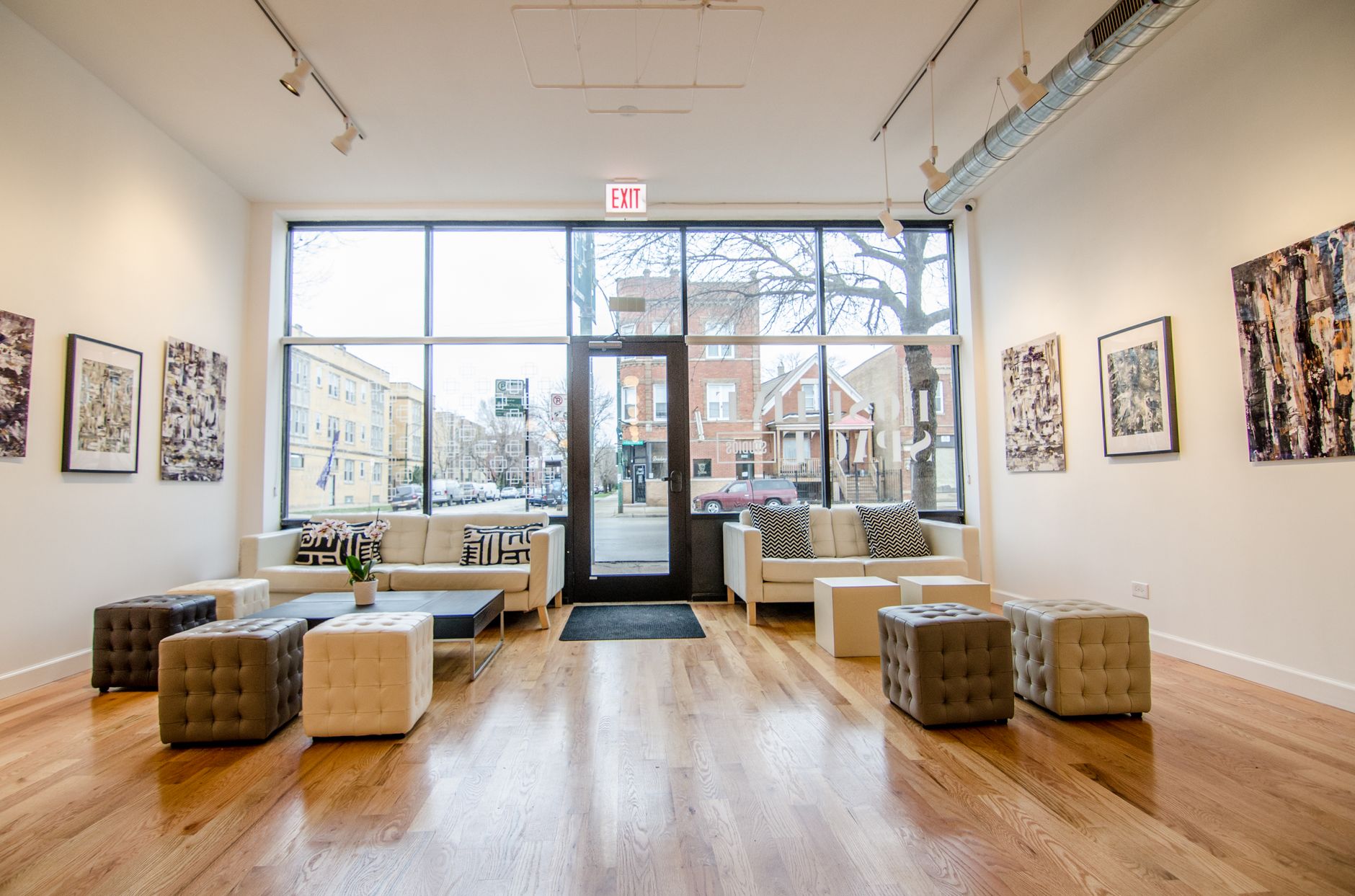
Discover the Best Local Art Galleries in Chicago
June 21, 2026 16 min read 3,284 words
Uncover hidden gems and iconic institutions shaping Chicago's dynamic art landscape, offering diverse and inspiring collections.
Start Your Art Journey
Navigating Chicago's Vibrant Art Districts: A Guide to Local Art Galleries in Chicago
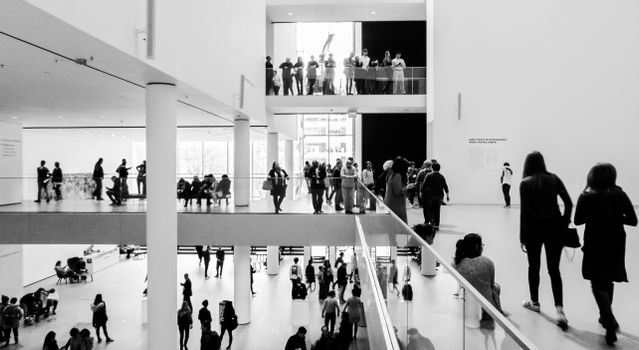 Photo: Bjorn Pierre / Pexels
Chicago's art scene is as diverse and dynamic as its architecture, offering an unparalleled experience for art enthusiasts and casual observers alike. When seeking out local art galleries in Chicago, understanding the city's distinct art districts is your first and most crucial step. Each neighborhood offers a unique flavor and focus, catering to different artistic tastes and price points. From the bustling commercial hubs to the more experimental, artist-run spaces, Chicago truly has it all.
River North, often considered the city's premier gallery district, is home to a high concentration of established commercial galleries. Here, you'll find impressive collections of contemporary art, modern masters, and significant international works. Galleries like Carl Hammer Gallery, known for its focus on self-taught art, and Catherine Edelman Gallery, a beacon for contemporary photography, are just a few examples of the caliber of institutions in this area. Strolling through River North allows for an easy gallery hop, with many spaces within walking distance of each other. The exhibitions here are often meticulously curated, presenting works by both renowned and emerging artists, making it an excellent starting point for those looking to invest in art or simply experience high-quality displays. While some galleries might feel more formal, most are welcoming to all visitors, encouraging exploration and discussion.
Moving west, the West Loop has rapidly transformed into another significant art destination. Once an industrial area, it now buzzes with trendy restaurants and a growing number of contemporary art galleries. This district tends to feature more experimental and cutting-edge works, often showcasing artists who are pushing boundaries in their respective mediums. Rhona Hoffman Gallery, with its long-standing commitment to conceptual and minimalist art, and Kavi Gupta, known for its diverse roster of international contemporary artists, are key players in the West Loop. The larger, loft-like spaces in this area often allow for grander installations and more immersive experiences. The energy of the West Loop's art scene is palpable, reflecting the neighborhood's innovative spirit. Many of these galleries participate actively in art fairs and collaborate with museums, further solidifying their place in the broader art world.
Exploring different art movements can enrich your West Loop experience.
Pilsen, a historically Mexican-American neighborhood, offers a distinctly different, yet equally vibrant, art experience. This district is celebrated for its grassroots art scene, colorful murals, and numerous artist-run spaces and community galleries. The National Museum of Mexican Art is a cornerstone, providing free admission and showcasing an incredible collection of Mexican art and culture. Beyond the museum, galleries like Prospectus Art and Pawn Works feature local and international street art, lowbrow art, and works that often reflect social and political themes. Pilsen's art scene is deeply intertwined with its community, offering a more intimate and often raw perspective on contemporary art. It’s a fantastic place to discover truly local talent and engage with art that speaks to cultural identity and social commentary. The welcoming atmosphere and vibrant street art make Pilsen an unforgettable destination for anyone interested in the heart and soul of Chicago's artistic expression.
Beyond these main districts, neighborhoods like Wicker Park, Bucktown, and Hyde Park also house notable galleries, each contributing to the rich tapestry of local art galleries in Chicago. Wicker Park and Bucktown often feature smaller, independent galleries and artist studios, perfect for discovering emerging talent and unique, handcrafted pieces. Hyde Park, anchored by the University of Chicago, has a more academic and experimental edge, with galleries often linked to the university's arts programs and research. Each district provides a unique lens through which to view Chicago's art landscape, promising diverse experiences for every visitor.
Beyond the Canvas: Diverse Mediums and Emerging Talent in Chicago's Art Scene
The appeal of local art galleries in Chicago extends far beyond traditional painting and sculpture, encompassing a vast array of mediums and artistic expressions. This commitment to diversity is what truly sets Chicago's art scene apart, offering something for every taste and preference. From cutting-edge digital installations to intricate textile art, the city's galleries are constantly pushing boundaries and redefining what art can be. This broad spectrum ensures that visitors are always met with fresh perspectives and innovative approaches, making each gallery visit a unique discovery.
Photography holds a significant place in Chicago's art landscape, with several galleries dedicated exclusively to the medium. The Catherine Edelman Gallery in River North, for instance, is renowned for its focus on contemporary photography, showcasing both established and mid-career artists who challenge conventional notions of the photographic image. Similarly, galleries like Filter Photo, while also an organization, frequently host exhibitions that highlight the technical and conceptual prowess of photographic artists. These spaces not only exhibit stunning prints but often engage in critical discussions about the role of photography in contemporary society, its evolving technologies, and its capacity to tell powerful stories. For photography enthusiasts, exploring these specialized galleries offers a deeper dive into the nuances and complexities of the medium.
Sculpture and three-dimensional art are also widely celebrated across Chicago's galleries. From monumental outdoor installations to delicate, intricate indoor pieces, sculptors in Chicago employ a wide range of materials and techniques. Galleries might feature works in bronze, steel, wood, ceramics, or even unconventional found objects, demonstrating the artists' ingenuity and craftsmanship. Spaces that have ample room, often found in the West Loop's converted industrial buildings, are particularly well-suited for showcasing larger sculptural works, allowing viewers to walk around and experience the pieces from multiple angles. This engagement with three-dimensionality adds a tactile and spatial dimension to the art experience, inviting viewers to consider form, volume, and material in new ways.
Beyond these established forms, Chicago's art galleries are increasingly embracing new media, performance art, and installation art. These contemporary practices often challenge traditional gallery formats, creating immersive environments and interactive experiences. Digital art, video art, and sound installations are becoming more prevalent, reflecting the evolving technological landscape and artists' desire to engage with new forms of expression. These experimental spaces often foster dialogue and critical thinking, encouraging viewers to question their perceptions and engage with art in unconventional ways. The embrace of new media also signifies Chicago's forward-thinking approach to art, ensuring that its scene remains relevant and exciting.
Moreover, the rise of artist-run spaces and pop-up galleries has created vital platforms for emerging talent. These grassroots initiatives often operate with less commercial pressure, allowing artists greater freedom to experiment and showcase works that might not fit into more traditional gallery settings. Pilsen, in particular, is a hotbed for such spaces, where artists often live and work in the same buildings, fostering a close-knit and supportive community. Discovering these emerging artists before they gain widespread recognition can be one of the most rewarding aspects of exploring local art galleries in Chicago, offering a glimpse into the future of the art world. This constant influx of new talent and diverse mediums ensures that Chicago's art scene is perpetually fresh, vibrant, and full of surprises for every visitor.
Making the Most of Your Visit: Tips for Engaging with Local Art Galleries in Chicago
Exploring local art galleries in Chicago is an enriching experience, whether you're a seasoned collector or a curious first-timer. To truly maximize your visit and gain a deeper appreciation for the art and artists, a little preparation and an open mind can go a long way. Engaging with the art and the people who curate it can transform a simple viewing into a memorable cultural encounter. Remember, these spaces are designed for discovery and contemplation, so take your time and allow yourself to be immersed in the artistic narratives on display.
One of the best ways to enhance your gallery experience is to research current exhibitions before you go. Most galleries maintain up-to-date websites and active social media profiles where they announce new shows, artist talks, and special events. Knowing what's on display can help you prioritize which galleries to visit, especially if you have specific artistic interests. Many galleries host opening receptions, which are often free and open to the public. These events are fantastic opportunities to meet the artists, converse with gallerists, and mingle with other art enthusiasts in a lively, social setting. The energy at an opening can provide a unique context for the art and deepen your understanding of the creative process. Attending these events can also be a great way to discover
different art forms and expand your appreciation.
Don't be afraid to ask questions. Gallerists and gallery staff are passionate about the art they represent and are typically eager to share insights and information. Inquiring about an artist's background, their inspiration, the techniques used, or the themes explored in a particular piece can open up new avenues of understanding. This interaction can transform a passive viewing into an active learning experience, allowing you to connect more deeply with the artwork. Even if you're not planning to purchase, engaging in conversation is a sign of genuine interest and can lead to fascinating discussions about the broader art world.
Consider visiting galleries during off-peak hours if you prefer a more quiet and reflective experience. Weekday afternoons are often less crowded than weekends, allowing for unhurried contemplation of the artworks. Take advantage of the quiet to truly absorb the details, colors, and textures of each piece. Some galleries offer guided tours or educational programs, which can provide structured insights into the exhibitions. Check their schedules in advance to see if such opportunities align with your visit. Many institutions also provide informational handouts or QR codes that link to audio guides, offering additional context and artist statements.
Finally, embrace the journey of discovery. The beauty of exploring local art galleries in Chicago lies in the unexpected encounters and the diverse range of artistic voices you'll encounter. Allow yourself to wander, stumble upon new artists, and challenge your own perceptions of art. The city's art scene is constantly evolving, with new spaces emerging and existing ones curating fresh, thought-provoking exhibitions. By approaching each visit with curiosity and an open mind, you're not just viewing art; you're participating in a vibrant cultural dialogue that enriches both the community and your personal understanding of creativity. Remember to check gallery hours, as they can vary, and enjoy the incredible artistic treasures Chicago has to offer.
Beyond the White Cube: How Local Art Galleries in Chicago Foster Community and Innovation
The role of local art galleries in Chicago extends far beyond simply showcasing art; they are vital cultural institutions that foster community, spark innovation, and contribute significantly to the city's identity. These spaces act as crucibles for creative expression, nurturing both established and emerging artists while providing accessible platforms for public engagement. They are not merely commercial enterprises but often serve as cultural anchors, reflecting and shaping the artistic pulse of their surrounding neighborhoods. Understanding this deeper function enhances the appreciation for their presence and impact within the urban fabric.
Many local art galleries in Chicago actively engage with their communities through various programs and initiatives. This can include workshops for aspiring artists, educational talks for the public, or collaborative projects with local schools and organizations. For example, community-focused galleries in Pilsen often partner with neighborhood groups to host events that celebrate local culture and heritage, using art as a vehicle for storytelling and social commentary. These initiatives break down the traditional barriers between art institutions and the public, making art more approachable and relevant to everyday life. They create spaces where diverse voices can be heard and where art can serve as a catalyst for dialogue and understanding. This commitment to community engagement is a hallmark of Chicago's art scene, distinguishing it from more insular art markets.
Furthermore, local galleries are crucial incubators for innovation in the arts. By providing spaces for artists to experiment and present new works, they push the boundaries of artistic practice. Many galleries are willing to take risks on unconventional projects, supporting artists who are exploring new mediums, challenging traditional forms, or addressing complex contemporary issues. This environment of experimentation is vital for the evolution of art itself. Without these supportive platforms, many groundbreaking artists might struggle to find an audience or the resources needed to develop their vision. The willingness of Chicago's galleries to embrace the avant-garde ensures that the city remains at the forefront of artistic innovation, attracting creative talent from across the globe.
Galleries also play a pivotal role in the career development of artists. They provide representation, connect artists with collectors and critics, and help them gain visibility both locally and nationally. For many emerging artists, securing representation with a Chicago gallery can be a significant step in establishing their professional careers. The relationships built between artists and gallerists are often long-term partnerships, based on mutual trust and a shared commitment to artistic vision. This support system is invaluable, allowing artists to focus on their creative practice while the gallery handles the business aspects of the art world. It's a symbiotic relationship that benefits both the artists and the art-loving public, ensuring a continuous flow of fresh, compelling work into the market.
Finally, the collective presence of numerous local art galleries in Chicago creates a vibrant ecosystem that contributes to the city's overall cultural richness. They draw tourists, stimulate local economies, and enhance Chicago's reputation as a global arts destination. Each gallery, with its unique focus and personality, adds another layer to the city's artistic tapestry. This collective energy fosters a sense of excitement and discovery, making Chicago an ideal place for anyone seeking to immerse themselves in the world of art. From the grand institutions to the intimate artist-run spaces, these galleries are dynamic forces, constantly evolving and enriching the cultural landscape of the city for residents and visitors alike. They truly embody the spirit of Chicago's artistic endeavor, proving that art is not just to be seen, but to be experienced and lived.