Unlocking Wellness: The Benefits of Art Therapy for Adults
benefits of art therapy for adults

Unlocking Wellness: The Benefits of Art Therapy for Adults

Engage in creative expression to transform emotional landscapes and foster profound personal growth and healing.

Explore Your Creativity

Key Takeaways

  • ✓ Art therapy is a recognized mental health profession.
  • ✓ It does not require artistic talent to be effective.
  • ✓ Art therapy can address a wide range of psychological issues.
  • ✓ It provides a non-verbal outlet for complex emotions.

How It Works

1
Initial Consultation & Goal Setting

You'll meet with a credentialed art therapist to discuss your concerns, history, and aspirations. Together, you'll establish personalized therapeutic goals.

2
Creative Exploration & Expression

The therapist introduces various art materials and techniques. You'll engage in creative activities, allowing emotions and thoughts to emerge through your chosen medium.

3
Reflection & Processing

After creation, you and the therapist will discuss your artwork. This reflection helps to uncover insights, patterns, and connections to your life experiences and feelings.

4
Integration & Growth

Insights gained are then integrated into your understanding of yourself and your challenges. This process fosters personal growth, coping skills, and emotional well-being.

Understanding Art Therapy: More Than Just Drawing
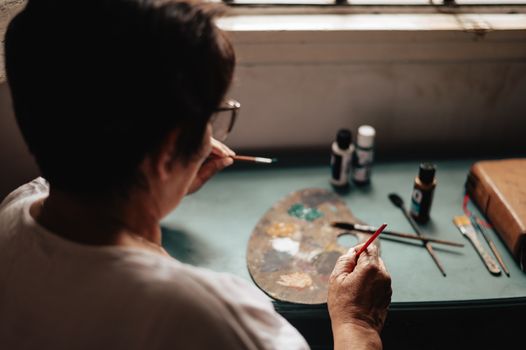
A focused adult artist painting with tools and palette in an indoor studio setting. Photo: Patricia Bozan / Pexels
When many people hear the term 'art therapy,' they often conjure images of children doodling or adults simply engaging in a relaxing hobby. However, the benefits of art therapy for adults extend far beyond mere recreation; it is a profound and clinically recognized mental health profession that utilizes the creative process of art-making to improve and enhance the physical, mental, and emotional well-being of individuals. It's a therapeutic approach that integrates psychological theories with various art mediums, guided by a trained art therapist. This isn't about creating masterpieces or having any inherent artistic talent; it's about the process, the exploration, and the insights gained through non-verbal expression. For adults facing complex emotional challenges, trauma, stress, anxiety, or simply seeking a deeper understanding of themselves, art therapy offers a unique pathway to healing and self-discovery. At its core, art therapy provides a safe and contained space where individuals can explore difficult emotions, memories, and experiences that might be too overwhelming or complex to articulate with words alone. Verbal communication, while powerful, can sometimes be limiting, especially when dealing with pre-verbal trauma, deep-seated emotional pain, or internal conflicts that lack a clear narrative. Art, in this context, becomes a language. It allows for the externalization of internal struggles, making them tangible and therefore easier to examine, process, and ultimately integrate. The act of choosing colors, shapes, and textures, or forming images, can reveal unconscious thoughts and feelings, offering a window into one's inner world that might otherwise remain hidden. This makes it an incredibly powerful tool for introspection and self-awareness, particularly for those who find traditional talk therapy challenging or insufficient. The therapist acts as a guide, interpreting symbols, asking insightful questions, and helping the individual make connections between their art and their life experiences. This collaborative process is crucial for extracting therapeutic value from the artistic expression. Moreover, the tactile nature of art-making can be inherently grounding and meditative, offering a sense of control and presence that can be especially beneficial for individuals experiencing high levels of stress or dissociation. It engages different parts of the brain than verbal processing, often unlocking new perspectives and fostering holistic healing. Understanding this fundamental approach is the first step in appreciating the transformative potential that art therapy holds for adult well-being, paving the way for deeper emotional insight and resilience. Discover more about creative healing.

Emotional Processing and Stress Reduction Through Creative Expression
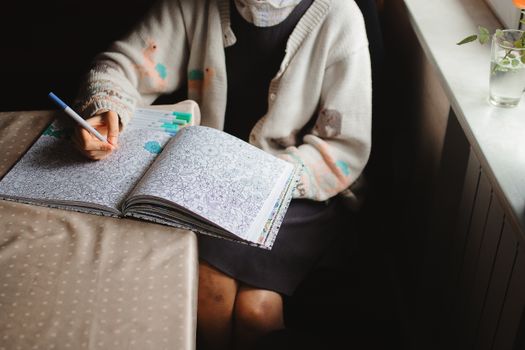
Adult woman coloring intricate designs in a book by a window Photo: Alina Levkovich / Pexels
One of the most significant benefits of art therapy for adults lies in its capacity to facilitate profound emotional processing and significantly reduce stress. In our fast-paced, often overwhelming modern lives, adults frequently grapple with a myriad of stressors, from work pressures and relationship dynamics to financial anxieties and global uncertainties. These stressors, if left unaddressed, can manifest as chronic anxiety, depression, burnout, and various physical ailments. Art therapy offers a sanctuary, a dedicated time and space to disengage from external demands and turn inward, allowing for a focused exploration of one's emotional landscape. The act of creating, whether it's painting, sculpting, drawing, or collage, provides a non-threatening outlet for pent-up emotions. Instead of verbally recounting a traumatic event or an overwhelming feeling, which can sometimes re-traumatize or feel inadequate, art allows for a symbolic representation. This indirect approach can be less intimidating and more accessible, enabling individuals to express anger, sadness, fear, or joy in a way that feels safe and manageable. The very process of art-making itself is inherently therapeutic. It engages the senses, requires focus, and often leads to a state of flow, similar to meditation. This state of flow, where one is fully immersed in an activity, can effectively quiet the incessant chatter of the mind, reducing rumination and promoting a sense of calm. The rhythmic movements involved in painting or sculpting can be soothing, acting as a natural stress reliever. Furthermore, the ability to externalize emotions onto a canvas or into a sculpture allows individuals to gain a sense of distance and perspective. An emotion that felt all-consuming can, once materialized in art, be observed, understood, and even altered. For instance, someone struggling with anxiety might create an image depicting their anxious feelings. By then modifying that image—perhaps by adding protective elements, changing colors, or integrating new symbols—they can metaphorically begin to reshape their experience of anxiety, fostering a sense of control and empowerment. This externalization also aids in identifying emotional patterns and triggers that might not be apparent through verbal discussion alone. Moreover, art therapy helps adults develop healthier coping mechanisms. Instead of resorting to maladaptive behaviors to manage stress, individuals learn to channel their feelings into constructive, creative outlets. This not only provides immediate relief but also builds long-term emotional resilience. The therapeutic alliance with a skilled art therapist is key here; they guide the individual through the process, helping them interpret their creations, make connections to their life, and develop strategies for integrating these insights into daily life. This guided reflection is what elevates art-making from a simple hobby to a powerful therapeutic intervention. By offering a visual and tactile language for the unspoken, art therapy empowers adults to navigate their emotional worlds with greater clarity, courage, and a profound sense of inner peace, ultimately leading to a more balanced and fulfilling life.

Enhancing Self-Discovery and Personal Growth
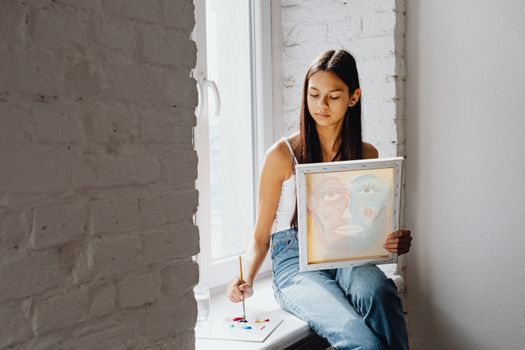
Teen girl painting at a sunlit window, expressing creativity and leisure. Photo: https://kaboompics.com/ / Pexels
Beyond emotional processing and stress reduction, one of the most profound benefits of art therapy for adults is its capacity to foster deep self-discovery and significant personal growth. Many adults, even those who consider themselves self-aware, harbor unconscious beliefs, unresolved conflicts, or hidden strengths that can influence their behavior, relationships, and overall well-being. Art therapy provides a unique, non-linear path to uncover these aspects of the self. Unlike traditional talk therapy, which often relies on logical thought and verbal narrative, art bypasses the conscious mind, allowing for a more direct connection to the subconscious. This means that insights can emerge that might not be accessible through purely verbal means, revealing deeper truths about one's identity, values, and life purpose. The creative act itself can be a journey of exploration, with each brushstroke or sculpted form unveiling a new facet of the self. As adults engage with various art materials, they often experiment, take risks, and confront their own perceived limitations, both artistic and personal. This process can mirror real-life challenges and provide a safe space to practice resilience and problem-solving. For instance, struggling with a particular artistic technique might parallel a challenge in one's personal life, and finding a creative solution within the art-making process can build confidence and transferrable skills for navigating real-world obstacles. The completed artwork becomes a tangible representation of an internal state or a personal narrative, offering a unique opportunity for reflection. By examining their creations, adults can gain fresh perspectives on their relationships, their past experiences, and their hopes for the future. They might identify recurring themes, symbols, or patterns that shed light on their motivations, fears, and desires. This visual evidence can be incredibly powerful, often providing 'aha!' moments that lead to profound shifts in understanding and behavior. Moreover, art therapy can help adults reclaim parts of themselves that may have been suppressed or forgotten. For individuals who experienced trauma, art can be a gentle way to re-engage with their inner child, express suppressed emotions, and integrate fragmented memories into a cohesive narrative. For those feeling stuck or lacking direction, the creative process can spark new ideas, foster innovation, and reignite a sense of purpose. It encourages adults to embrace their authentic selves, to value their unique perspectives, and to build a stronger sense of self-worth. The non-judgmental environment of art therapy, coupled with the guidance of a trained therapist, empowers individuals to explore their inner world without fear of criticism, fostering a sense of psychological safety that is essential for genuine growth. Through this journey of creative expression and guided reflection, adults can cultivate a deeper connection to their inner wisdom, develop greater self-compassion, and ultimately move towards a more integrated and fulfilling life. Explore the transformative power of creative arts.

Practical Tips for Starting Your Art Therapy Journey
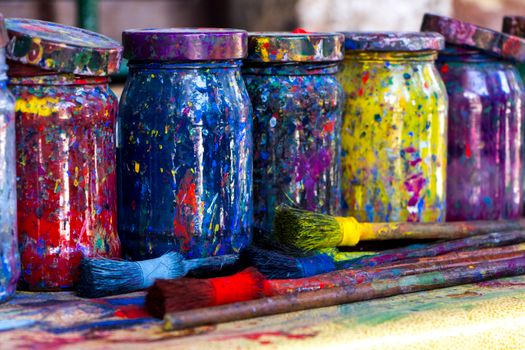
Vibrant mason jars splattered with paint alongside brushes in an Istanbul art studio. Photo: Bülent Özgöç / Pexels
Embarking on an art therapy journey can be a deeply rewarding experience, offering a unique path to healing and self-discovery. If you're considering the benefits of art therapy for adults, here are some practical tips to help you get started and make the most of your sessions: * **Find a Qualified Art Therapist:** This is perhaps the most crucial step. Look for a credentialed art therapist (ATR-BC in the US) who has completed a master's or doctoral program in art therapy. You can search directories provided by the American Art Therapy Association (AATA) or inquire with local mental health clinics. Ensure they specialize in working with adults and align with your therapeutic goals. * **Don't Worry About Artistic Skill:** A common misconception is that you need to be an 'artist' to benefit from art therapy. This couldn't be further from the truth. The focus is on the process of creation and self-expression, not on producing aesthetically pleasing artwork. Embrace the freedom to create without judgment. * **Be Open to Different Materials:** Art therapists use a wide array of materials—paints, clay, pastels, markers, collage materials, found objects, and more. Be open to experimenting with different mediums, as each can evoke different emotions and facilitate unique forms of expression. * **Set Realistic Expectations:** While art therapy can be profoundly transformative, it's not a quick fix. Healing and growth are processes that unfold over time. Be patient with yourself and the therapeutic journey. * **Engage Actively in Reflection:** The 'therapy' part of art therapy comes alive during the reflection and processing phase. Be prepared to discuss your artwork, your choices, your feelings during creation, and what insights emerge. Your therapist will guide this dialogue, helping you connect your art to your life. * **Consider Group vs. Individual Sessions:** While individual sessions offer personalized attention, group art therapy can provide a supportive community, reduce feelings of isolation, and offer opportunities to learn from others' experiences. Discuss with your therapist which format might be best for your needs. * **Create a Safe Space at Home (Optional):** If you feel inspired to continue creative expression between sessions, designate a small, judgment-free space at home where you can experiment with art materials. This can reinforce the therapeutic process, but remember, structured sessions with a therapist are key. * **Communicate with Your Therapist:** If something isn't working for you—a particular material, a therapeutic approach, or even the pace of sessions—communicate openly with your therapist. A good therapeutic relationship is built on trust and open dialogue. By keeping these tips in mind, you can approach art therapy with confidence and maximize its potential to enhance your emotional well-being, foster self-awareness, and support your personal growth journey.

Comparison

FeatureArt TherapyTraditional Talk TherapyMindfulness MeditationHobby Art Classes
Professional GuidanceCredentialed Art TherapistLicensed Therapist/CounselorMeditation Instructor/Self-guidedArt Teacher
FocusProcess, self-expression, emotional healingVerbal processing, cognitive restructuringPresent moment awareness, stress reductionSkill development, artistic outcome
MediumVisual arts, tactile materialsVerbal communicationBreath, body sensationsSpecific art form (e.g., painting, pottery)
Non-Verbal ExpressionIndirectly (body scan)
Addressing TraumaIndirectly (regulation)
Artistic Skill Required
Cost (Average per session)$75 - $150$100 - $250$20 - $50 (class) / Free (self)$30 - $80 (class)
Therapeutic GoalHolistic well-being, insight, emotional releaseCognitive/behavioral change, problem-solvingStress reduction, emotional regulationArtistic proficiency, enjoyment

What Readers Say

"Art therapy has been a revelation for my anxiety. I found it incredibly hard to articulate my feelings, but through painting, I could express what words couldn't. It's truly helped me understand myself better and cope with stress."

Sarah J. · Austin, TX

"As an adult grappling with past trauma, traditional therapy felt overwhelming. Art therapy provided a safe, gentle way to process difficult memories. The non-verbal aspect allowed me to approach my healing at my own pace."

Mark D. · Seattle, WA

"I started art therapy feeling completely creatively blocked and emotionally drained. Within a few months, I not only reconnected with my artistic side but also found new ways to manage my depression. My mood has significantly improved, and I feel more resilient."

Emily R. · Denver, CO

"I was skeptical at first, thinking it was just for kids. However, the benefits of art therapy for adults are undeniable. While it took some getting used to, the process of creating and reflecting has given me valuable insights into my relationships and behavior patterns."

David L. · Chicago, IL

"After a major life transition, I felt lost and overwhelmed. Art therapy helped me explore my identity and emotions in a way that felt authentic. It wasn't just about coping; it was about truly understanding and accepting myself again."

Jessica M. · Miami, FL

Frequently Asked Questions

What kind of art do you do in art therapy for adults?

Art therapy for adults involves a wide range of creative mediums, not limited to drawing or painting. You might engage in sculpting with clay, creating collages, working with pastels, making mandalas, photography, digital art, or even textile arts. The choice of medium often depends on your comfort level, therapeutic goals, and what the therapist believes will best facilitate your expression and insight.

Do I need to be artistic or talented to do art therapy?

Absolutely not. One of the fundamental principles of art therapy is that artistic skill is not required. The focus is entirely on the process of creation, self-expression, and the insights gained, rather than the aesthetic quality of the finished product. The art serves as a tool for communication and exploration, not as an exhibition piece.

How do I find a qualified art therapist?

To find a qualified art therapist, look for individuals credentialed by the American Art Therapy Association (AATA) with an ATR (Registered Art Therapist) or ATR-BC (Board Certified Art Therapist) designation. You can use the 'Find an Art Therapist' directory on the AATA website, or seek referrals from mental health professionals or local clinics.

Is art therapy covered by insurance, and what's the typical cost?

Coverage for art therapy by insurance varies widely. Some health insurance plans may cover it if it's provided by a licensed mental health professional (who also happens to be an art therapist) and deemed medically necessary. It's essential to check with your specific insurance provider. The typical cost per session can range from $75 to $150, sometimes more depending on location and therapist experience.

How does art therapy compare to traditional talk therapy for adults?

Art therapy offers a distinct alternative or complement to traditional talk therapy by utilizing non-verbal and symbolic expression. While talk therapy relies primarily on verbal communication to process thoughts and emotions, art therapy allows individuals to externalize internal experiences through creative acts, which can be particularly effective for emotions that are difficult to articulate or for processing trauma. It engages different parts of the brain, often leading to deeper insights.

Who should consider art therapy for adults?

Art therapy can benefit a wide range of adults. It's particularly helpful for those experiencing stress, anxiety, depression, trauma, grief, chronic illness, relationship issues, or those seeking personal growth and self-discovery. It's also an excellent option for individuals who find verbal expression challenging or who feel 'stuck' in traditional therapy.

Are there any risks associated with art therapy?

When conducted by a qualified and ethical art therapist, art therapy is generally considered safe. However, as with any therapeutic process, there is a possibility that engaging with difficult emotions or past traumas through art may evoke strong feelings. A trained therapist is equipped to help you navigate these emotions safely and constructively within the session.

What are the emerging trends in art therapy for adults?

Emerging trends include the integration of digital art tools and virtual reality into therapy, increasing focus on culturally responsive and trauma-informed art therapy practices, and a growing recognition of its benefits in treating specific conditions like PTSD, addiction, and neurodevelopmental disorders. There's also a rising interest in community-based art therapy initiatives.

Unlock your inner potential and embark on a transformative journey of healing and self-discovery. Explore the profound benefits of art therapy for adults today and discover how creative expression can lead to a more balanced and fulfilling life.

Topics: benefits of art therapy for adultsart therapy mental healthcreative expression therapyadult emotional healing artstress relief art therapy
Leo List

IE Escorts NO Escorts US Escorts NZ Escorts AU Escorts
Brampton weed
Adultwork EstrelaBet Vai de Bet R7 Bet Betão Galera Bet Rainbet Bet9ja Shop SportyBet BetKing Sisal Loto Foot Hollywoodbets YesPlay Odibets RushBet Jugabet BetWarrior BetCity MSport betPawa Fortebet