Unlocking Calm: The Transformative Art Therapy Benefits for Anxiety
art therapy benefits for anxiety

Unlocking Calm: The Transformative Art Therapy Benefits for Anxiety

Harness your inner creativity to find peace and resilience in the face of anxiety, fostering profound emotional healing.

Start Your Creative Journey

Key Takeaways

  • ✓ Art therapy provides a non-verbal outlet for processing complex emotions, often bypassing the need for explicit verbalization.
  • ✓ Engaging in creative activities can significantly reduce cortisol levels, the body's primary stress hormone.
  • ✓ It fosters a sense of control and accomplishment, counteracting feelings of helplessness often associated with anxiety.
  • ✓ Art therapy enhances self-awareness and self-esteem, building a stronger foundation for emotional regulation.

How It Works

1
Initial Assessment & Goal Setting

A certified art therapist will discuss your anxiety symptoms and personal history, helping to establish therapeutic goals tailored to your needs. This foundational step ensures your creative journey is purpose-driven and effective.

2
Creative Exploration & Expression

You'll be guided through various art mediums – painting, drawing, sculpture, collage – to express feelings and experiences without judgment. The focus is on the process of creation, not the artistic outcome, allowing for authentic emotional release.

3
Reflection & Interpretation

After creation, you and your therapist will explore the artwork together, discussing the emotions, thoughts, and insights that emerged during the process. This reflective dialogue helps to make sense of your internal world and identify patterns.

4
Integration & Coping Strategies

The insights gained are then integrated into your daily life, with the therapist helping you develop practical coping mechanisms and strategies for managing anxiety. This empowers you to apply your newfound understanding outside of therapy sessions.

Understanding Anxiety and the Power of Non-Verbal Expression

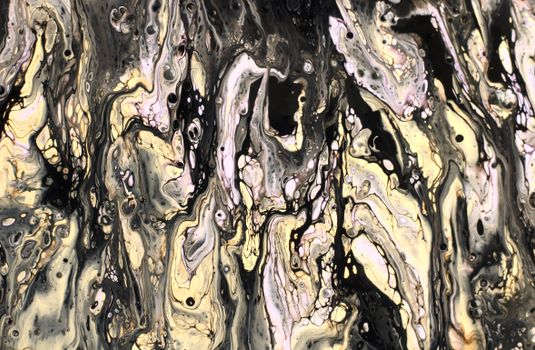
Explore bold color blocks in this dynamic abstract expressionist digital painting. Photo: Steve A Johnson / Pexels
Anxiety, in its myriad forms, can be a debilitating force, often characterized by persistent worry, fear, and physical symptoms like a racing heart or difficulty breathing. For many, simply talking about their anxiety can feel overwhelming, or the words themselves may seem inadequate to capture the depth of their internal struggle. This is where the profound art therapy benefits for anxiety truly shine. Traditional talk therapy, while immensely valuable, relies heavily on verbal articulation, which can be a significant barrier for individuals who find it difficult to identify, label, or express their emotions verbally. Imagine trying to explain a complex, swirling storm inside your head with only a limited vocabulary; it's a frustrating and often impossible task. Art therapy offers a powerful alternative: a non-verbal language. When you engage in art, whether it's sketching, painting, sculpting, or collaging, you're tapping into a different part of your brain. You're communicating through color, shape, texture, and form, bypassing the limitations of spoken language. This allows for a more direct and often less inhibited expression of deep-seated feelings, fears, and internal conflicts. The act of creation itself becomes a conduit for emotions that might otherwise remain trapped or unacknowledged. For someone struggling with anxiety, this can be incredibly liberating. Instead of trying to articulate the feeling of being overwhelmed, they can paint a chaotic landscape. Rather than describing a knot of tension, they can sculpt it. This process not only provides an outlet but also externalizes the internal experience, making it more tangible and, paradoxically, less daunting. It creates a safe distance from the overwhelming emotion, allowing for observation and processing without being completely consumed by it. Moreover, the non-verbal nature of art therapy reduces the pressure to perform or articulate perfectly. There's no 'right' or 'wrong' way to create art in a therapeutic setting; the value lies in the process and the personal meaning derived. This inherent acceptance fosters a sense of psychological safety, which is crucial for individuals grappling with anxiety, who often experience heightened self-criticism and fear of judgment. The blank canvas or lump of clay becomes a non-judgmental space where emotions can be explored freely, leading to deeper self-understanding and emotional release. This fundamental shift from verbal to visual communication is one of the cornerstone principles of effective art therapy, particularly when addressing the multifaceted challenges of anxiety. It empowers individuals to engage with their inner world in a way that feels natural, intuitive, and deeply personal, laying the groundwork for significant therapeutic breakthroughs and sustained relief from anxiety's grip.

Cultivating Mindfulness and Reducing Stress through Creative Flow

Martial artist meditating with eyes closed in a serene dojo environment. Photo: cottonbro studio / Pexels
One of the most significant art therapy benefits for anxiety lies in its inherent ability to foster mindfulness and induce a state of creative flow. Anxiety often pulls us into the past, replaying worries, or propels us into the future, anticipating potential threats. It rarely allows us to be fully present in the 'now.' Art-making, by its very nature, demands presence. When you are focused on mixing colors, shaping clay, or drawing a line, your attention is anchored to the immediate task. This intense focus on the creative process acts as a powerful antidote to anxious rumination. It gently redirects your mind away from incessant worrying and towards the sensory experience of creating. This phenomenon is often described as entering a 'flow state,' a concept popularized by psychologist Mihaly Csikszentmihalyi. In flow, individuals become completely absorbed in an activity, losing track of time and self-consciousness. The challenge of the task perfectly matches their skill level, leading to a feeling of energized focus and enjoyment. For someone with anxiety, achieving this state is profoundly therapeutic. It offers a much-needed respite from the constant chatter of an anxious mind. During this period of absorption, the physiological markers of stress, such as elevated heart rate and cortisol levels, often decrease significantly. The rhythmic, repetitive actions involved in many art forms – such as sketching, knitting, or even simply coloring – can have a meditative quality, further enhancing this calming effect. Beyond the immediate reduction in stress, cultivating mindfulness through art builds a valuable skill set for managing anxiety in daily life. Regular engagement in art therapy helps individuals practice focusing their attention, observing their thoughts and feelings without judgment, and returning to the present moment when their minds wander. These are core components of mindfulness-based stress reduction techniques. By repeatedly engaging in activities that naturally induce mindfulness, individuals develop a stronger capacity to regulate their emotional responses and interrupt anxious thought patterns before they escalate. The creative process teaches them that they have the agency to direct their attention and engage in activities that bring them peace, rather than being passively swept away by anxiety. This proactive engagement with their mental state is a critical step towards long-term anxiety management, moving beyond simply coping to actively cultivating inner calm and resilience.

Enhancing Self-Discovery, Emotional Regulation, and Coping Mechanisms

Woman holding cardboard drawings of an eye and mouth, creating an artistic portrait. Photo: Leeloo The First / Pexels
Beyond immediate stress reduction and fostering mindfulness, the long-term art therapy benefits for anxiety extend deeply into enhancing self-discovery, improving emotional regulation, and developing robust coping mechanisms. Anxiety often clouds self-perception, leading to feelings of inadequacy, self-doubt, and a disconnect from one's true self. Art therapy provides a unique mirror, reflecting back aspects of the self that may be hidden or difficult to articulate. As individuals create, they externalize their inner world, making it tangible and open for exploration. A specific color choice, a recurring symbol, or the way materials are used can reveal unconscious thoughts, feelings, and beliefs that contribute to anxiety. Through guided reflection with a therapist, these insights are brought to conscious awareness, leading to profound moments of self-discovery. Understanding 'why' certain anxieties manifest or 'what' underlying emotions fuel them is a crucial step toward healing and gaining control. This journey of self-discovery is intimately linked with improved emotional regulation. Anxiety often feels like an uncontrollable wave, but art therapy teaches individuals how to navigate these waves. By externalizing emotions through art, individuals can learn to identify, tolerate, and process difficult feelings in a safe, contained manner. For instance, someone might paint their anger, then observe it, and through that observation, begin to understand its triggers and intensity, rather than being consumed by it. This practice builds emotional literacy, expanding their vocabulary of feelings and their capacity to respond to them thoughtfully rather than reactively. The act of creating also offers a sense of mastery and control, which directly counteracts the feelings of helplessness often associated with anxiety. Completing an artwork, even a small one, provides a tangible sense of accomplishment, boosting self-esteem and self-efficacy. Furthermore, art therapy helps in developing and reinforcing effective coping mechanisms. The creative process itself can become a go-to coping strategy, providing a healthy outlet for stress and anxiety in daily life. Therapists might guide clients in creating 'coping cards' using art, visualizing safe spaces, or even making 'worry boxes' to symbolically contain anxious thoughts. These tangible, personalized tools empower individuals to actively manage their anxiety outside of therapy sessions. The skills learned – problem-solving through artistic challenges, tolerating ambiguity, making choices, and seeing a project through – are directly transferable to managing life's stressors. Art therapy doesn't just alleviate symptoms; it equips individuals with a deeper understanding of themselves and a personalized toolkit for resilience, transforming how they interact with their anxiety and fostering a greater sense of overall well-being. This holistic approach to mental health is one of the most compelling arguments for integrating creative practices into therapeutic interventions.

Practical Tips for Integrating Art into Your Anxiety Management Routine

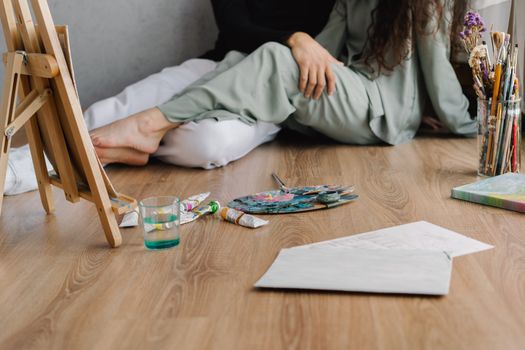
Top view of colorful art supplies on a wooden table, inspiring creativity. Photo: Vlada Karpovich / Pexels
Integrating art into your anxiety management routine doesn't necessarily require formal art therapy sessions, though they are highly recommended for deeper work. Here are some practical tips to start harnessing the art therapy benefits for anxiety in your daily life: * **Start Small and Simple:** You don't need to be an artist. Begin with simple activities like doodling, coloring in adult coloring books, or sketching basic shapes. The goal is engagement, not perfection. Focus on the sensory experience: the feel of the crayon, the smell of the paint, the sound of the pencil on paper. * **Experiment with Materials:** Don't limit yourself to just drawing. Try different mediums to see what resonates with you. Finger paints can be incredibly tactile and liberating. Clay or playdough offers a grounding, three-dimensional experience. Collage allows you to express complex ideas without drawing skills. Even journaling with decorative elements can be therapeutic. * **Create a Dedicated Space (Even a Small One):** Having a designated spot, even just a corner of a desk, can signal to your brain that it's time to switch into a creative, mindful mode. Keep your materials organized and easily accessible to reduce barriers to starting. * **Focus on Process, Not Product:** This is crucial. Remind yourself that the purpose is emotional expression and stress relief, not creating a masterpiece. Let go of self-criticism and judgment. If an artwork doesn't turn out 'well,' it has still served its purpose by allowing you to engage in the creative process. * **Incorporate Music or Nature:** Pairing your art-making with calming music or sitting near a window with a view of nature can enhance the therapeutic experience, further reducing anxiety and promoting relaxation. * **Mindful Observation:** Before, during, and after creating, take a moment to observe your feelings without judgment. How does your body feel? What thoughts are present? This simple act of awareness amplifies the mindfulness aspect of art creation. * **Join a Community or Workshop:** If comfortable, consider joining a local art class or group. The shared experience can provide support and motivation, and learning new techniques can be a fun, engaging way to distract from anxiety. **Mistakes to Avoid:** * **Comparing Your Art to Others':** This is a common trap that can quickly turn a therapeutic activity into a source of anxiety. Remember, your art is for you and your journey. * **Setting Unrealistic Expectations:** Don't expect your anxiety to vanish after one session. Art therapy is a process that yields cumulative benefits. * **Judging Your Emotions:** Art is a safe space for all emotions. Don't censor yourself or try to create 'happy' art if you're feeling sad or angry. Authenticity is key. * **Forcing Creativity:** If you're not feeling it, don't force it. Sometimes a break is more beneficial. Return to it when you feel a natural pull. By embracing these tips and avoiding common pitfalls, you can effectively weave creative expression into your routine, harnessing the powerful art therapy benefits for anxiety to cultivate a more peaceful and resilient self.

Comparison

FeatureArt TherapyTraditional Talk TherapyMedication
Mode of ExpressionNon-verbal, CreativeVerbalChemical/Internal
Self-DiscoveryDeep, ExperientialCognitive, ReflectiveIndirect (symptom relief)
Mindfulness CultivationDirectly through processIndirect (through techniques)Not primary focus
Coping Skills DevelopmentCreative, ExperientialCognitive, BehavioralSymptom management
Side EffectsNoneNonePotential physical/mental
CostModerateModerateVaries (insurance dependent)
AccessibilityGrowingWidespreadWidespread

What Readers Say

"Art therapy has been a game-changer for my generalized anxiety. I used to struggle so much to put my feelings into words, but painting allows me to express the chaos in my head. It's incredibly freeing and truly helps me feel calmer."

Sarah J. · Austin, TX

"After a few sessions, I noticed a significant reduction in my panic attacks. The process of sculpting clay helps me ground myself and focus, pulling me out of anxious spirals. It's like a mental reset button."

Mark D. · Seattle, WA

"I never thought art could help my anxiety, but my therapist introduced me to it, and it's been transformative. I've learned so much about my triggers and how to process difficult emotions without getting overwhelmed. My daily worry has decreased by half."

Emily R. · Boston, MA

"While it doesn't make my anxiety disappear entirely, art therapy provides a fantastic outlet. It's a peaceful break from my racing thoughts, and I've developed some really useful coping tools. It's not always easy, but it's definitely worth the effort."

David L. · Denver, CO

"As someone who deals with social anxiety, the non-verbal aspect of art therapy is a huge relief. I don't feel pressured to perform or say the 'right' thing. I just create, and my therapist helps me understand what my art is telling me."

Jessica P. · Miami, FL

Frequently Asked Questions

What kind of art do you do in art therapy for anxiety?

Art therapy is highly flexible and can involve a wide range of creative modalities. You might engage in drawing, painting, sculpting with clay, collage, photography, digital art, or even textile arts like weaving. The choice of medium often depends on your comfort level, therapeutic goals, and what best facilitates emotional expression for you.

Do I need to be artistic to benefit from art therapy?

Absolutely not. One of the greatest misconceptions about art therapy is that artistic talent is required. The focus is entirely on the process of creation and self-expression, not on producing a aesthetically pleasing artwork. Everyone can benefit, regardless of their artistic skill or experience.

How do I find a qualified art therapist for anxiety?

To find a qualified art therapist, look for professionals who are registered or board-certified (ATR-BC in the U.S.) by organizations like the American Art Therapy Association (AATA). You can search their directories, consult with your primary care physician, or ask for referrals from other mental health professionals. Ensure they specialize in anxiety treatment.

Is art therapy covered by insurance?

Coverage for art therapy varies. Many licensed art therapists operate under mental health provider licenses (e.g., LPC, LMFT), which are often covered by insurance. It's essential to contact your insurance provider directly to inquire about coverage for 'art therapy' or 'psychotherapy' provided by a licensed art therapist and confirm their credentials.

How does art therapy compare to mindfulness meditation for anxiety?

Both art therapy and mindfulness meditation are highly effective for anxiety. Art therapy often incorporates mindfulness through the focused act of creation, providing a tangible output for reflection. Mindfulness meditation primarily focuses on direct attention and awareness. Art therapy adds a layer of creative expression and symbolic processing that meditation may not explicitly offer, making them complementary rather than mutually exclusive.

Who should consider art therapy for anxiety?

Art therapy is beneficial for anyone struggling with anxiety, especially those who find it difficult to articulate their feelings verbally, those who feel overwhelmed by emotions, or those looking for a creative, holistic approach to mental well-being. It's suitable for all ages, from children to adults.

Are there any risks associated with art therapy?

Art therapy is generally considered a safe and low-risk therapeutic modality. However, like any form of therapy, it can sometimes bring up uncomfortable emotions or past traumas. A qualified and ethical art therapist is trained to create a safe space, manage these emergent feelings, and support you through the process, minimizing any potential distress.

What's the future outlook for art therapy in anxiety treatment?

The future of art therapy in anxiety treatment is promising, with increasing scientific research supporting its efficacy and growing acceptance in mainstream healthcare. Integration with digital platforms and virtual reality for accessible art therapy, along with its application in diverse settings from hospitals to community centers, suggests a significant expansion of its role in mental health.

Ready to transform your relationship with anxiety? Explore the profound art therapy benefits for anxiety and discover how creative expression can lead you to a calmer, more resilient life. Reach out to a certified art therapist today and begin your journey towards emotional well-being.

Topics: art therapy benefits for anxietyanxiety relief artcreative expression therapymental health artstress reduction art
Leo List
Brampton weed
Adultwork EstrelaBet Vai de Bet R7 Bet Betão Galera Bet Rainbet Bet9ja Shop SportyBet BetKing Sisal Loto Foot Hollywoodbets YesPlay Odibets RushBet Jugabet BetWarrior BetCity MSport betPawa Fortebet